Crohn's Disease Exclusion Diet (CDED)
The CDED is a whole-foods diet designed to eliminate or reduce exposure to specific foods that may be harmful in Crohn's disease, while increasing foods that may be beneficial for healing and the microbiome.

About the Crohn's Disease Exclusion Diet
The CDED is followed in three phases and includes partial enteral nutrition (PEN), which means using a nutritionally complete formula alongside regular foods. The amount of formula gradually decreases over time, with the final phase typically providing about 25% of daily nutrition from formula (such as Modulen IBD®). The CDED is a whole foods diet designed to exclude or limit exposure to foods that may adversely affect the microbiome or alter intestinal barrier function.1,2 In patients uninterested or unable to use Exclusive Enteral Nutrition, CDED is an effective alternative for inducing remission,3,4 and it may provide a more effective option than standard diet plus PEN for maintaining it.
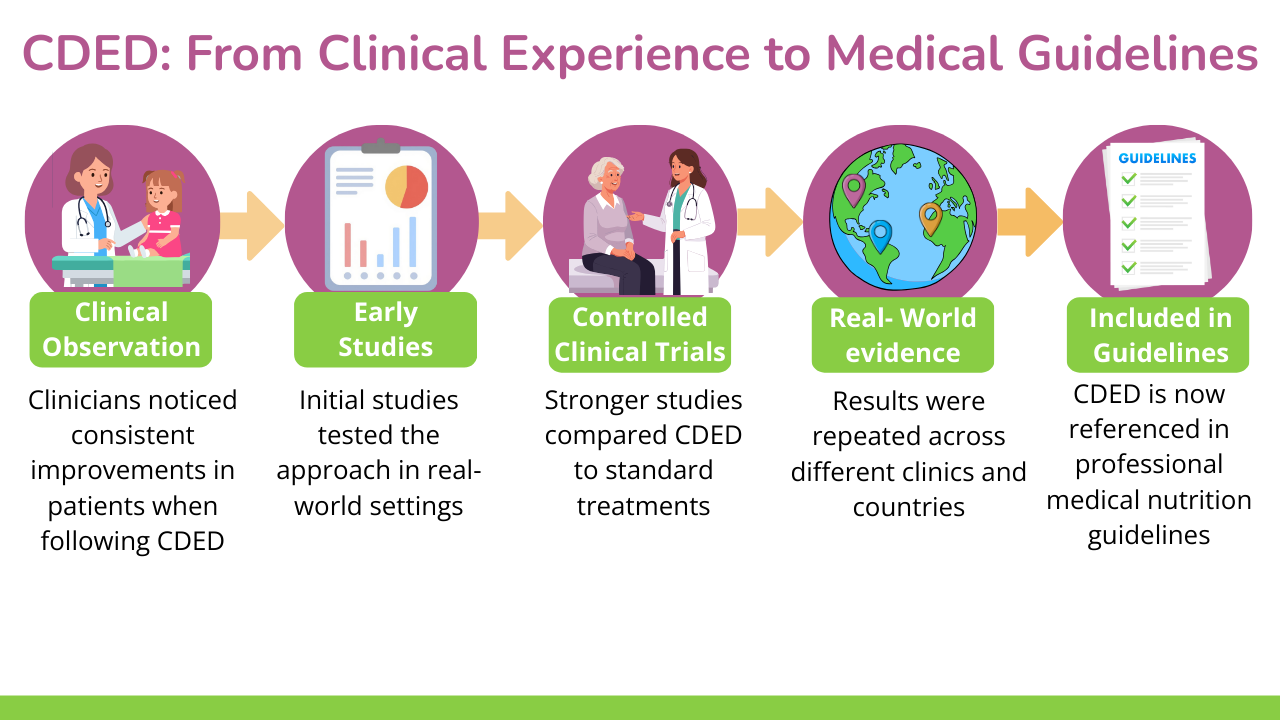
Clinical studies, including randomized controlled trials, have demonstrated remission rates comparable to Exclusive Enteral Nutrition (EEN) during the induction phase, with improved tolerability and adherence reported among patients following CDED.¹ Taken together, the available evidence positions CDED as one of the most well-supported whole-food dietary options currently studied for Crohn’s disease.

CDED: An Extensively Studied Diet
Most published studies to date focus on the 6–12 week Induction Phase in both children and adults with mild to moderate active disease. As a result, the strongest scientific evidence currently supports this phase, while research on the Maintenance Phase is ongoing and continues to grow.
Overall, the existing evidence is strong enough that CDED is increasingly recognized in clinical practice and published guidelines as a research-backed dietary option for Crohn’s disease.
CDED Phases
The CDED is divided into three phases.
Induction Phases (Weeks 1-12)
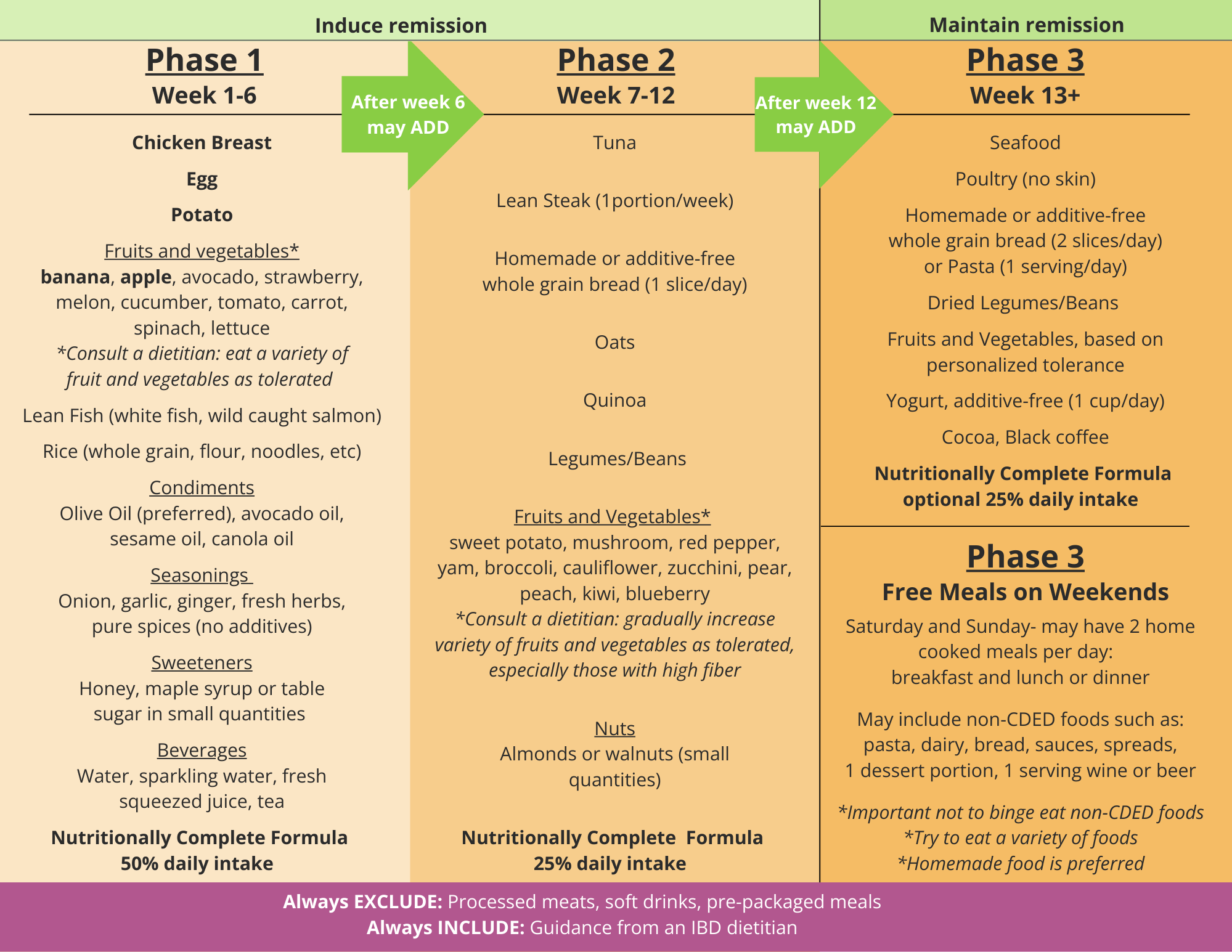
Phase 1: weeks 1-6- limit insoluble fiber to prevent bowel obstructions
Phase 2: weeks 7-12- add back in many of the limited foods by week 10
Maintenance Phase (Weeks 13 and beyond)
Phase 3: begins after remission is achieved and is intended to help sustain remission over time. During this phase some foods that are not necessarily recommended can be included to promote better long-term compliance.
The Induction Phases are the most important phases of the diet and are required for efficacy. These two 6-week phases are designed to induce remission.
The Maintenance Phase requires five contiguous days following the diet. It allows for a maximum of two contiguous days (generally weekends) of two free meals per day (maximum of four free meals per week), excluding only hot dogs, sausages, soft drinks, luncheon meats, bacon, and frozen dough from those free meals.
(week 1-6)
(week 7–12)
(week 13 and beyond)
Implementing the CDED Diet
The table below provides an overview of the CDED diet. It is not an all-inclusive list of included and restricted foods, nor does it define all of the details of the diet.
This list alone should NOT be used as a guide to following the diet. Consult with a dietitian trained in CDED.
References
- Levine, A., Wine, E., Assa, A., Sigall Boneh, R., Shaoul, R., Kori, M., Cohen, S., Peleg, S., Shamaly, H., On, A., Millman, P., Abramas, L., Ziv-Baran, T., Grant, S., Abitbol, G., Dunn, K. A., Bielawski, J. P., & Van Limbergen, J. (2019). Crohn’s Disease Exclusion Diet Plus Partial Enteral Nutrition Induces Sustained Remission in a Randomized Controlled Trial. Gastroenterology, 157(2), 440-450.e8. https://doi.org/10.1053/j.gastro.2019.04.021
- Sigall Boneh, R., Sarbagili Shabat, C., Yanai, H., Chermesh, I., Ben Avraham, S., Boaz, M., & Levine, A. (2017). Dietary Therapy With the Crohn’s Disease Exclusion Diet is a Successful Strategy for Induction of Remission in Children and Adults Failing Biological Therapy. Journal of Crohn’s and Colitis, 11(10), 1205–1212. https://doi.org/10.1093/ecco-jcc/jjx071
- Sigall-Boneh, R., Pfeffer-Gik, T., Segal, I., Zangen, T., Boaz, M., & Levine, A. (2014). Partial Enteral Nutrition with a Crohnʼs Disease Exclusion Diet Is Effective for Induction of Remission in Children and Young Adults with Crohnʼs Disease: Inflammatory Bowel Diseases, 20(8), 1353–1360. https://doi.org/10.1097/MIB.0000000000000110
- Herrador-López M, Martín-Masot R, Navas-López VM. EEN Yesterday and Today … CDED Today and Tomorrow. Nutrients. 2020;12(12):3793. Published 2020 Dec 10. doi:10.3390/nu12123793
- Yanai, H., Levine, A., Hirsch, A., Boneh, R. S.,Kopylov, U., Eran, H. B., Cohen, N. A., Ron, Y., Goren, I., Leibovitzh, H.,Wardi, J., Zittan, E., Ziv-Baran, T., Abramas, L., Fliss-Isakov, N., Raykhel,B., Gik, T. P., Dotan, I., & Maharshak, N. (2022). The Crohn’s diseaseexclusion diet for induction and maintenance of remission in adults withmild-to-moderate Crohn’s disease (CDED-AD): an open-label, pilot, randomisedtrial. The LancetGastroenterology & Hepatology, 7(1), 49–59. https://doi.org/10.1016/S2468-1253(21)00299-5
CDED Research Articles
Delicious and Nutritious Recipes
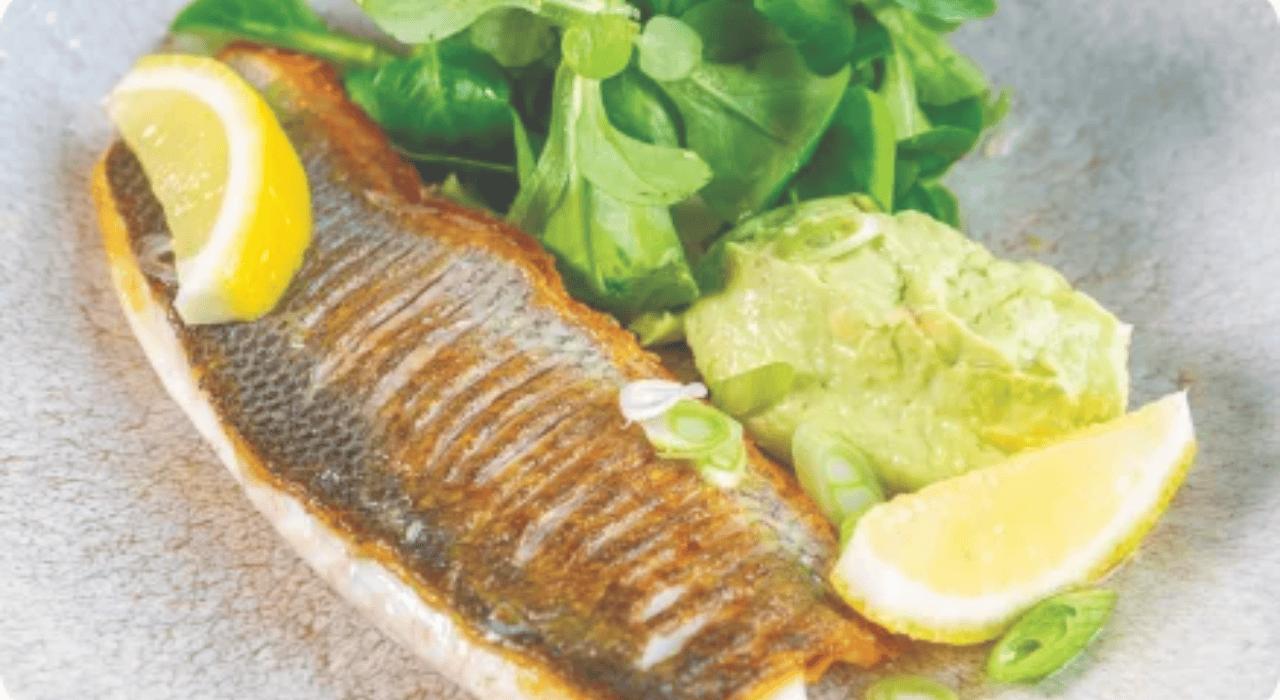
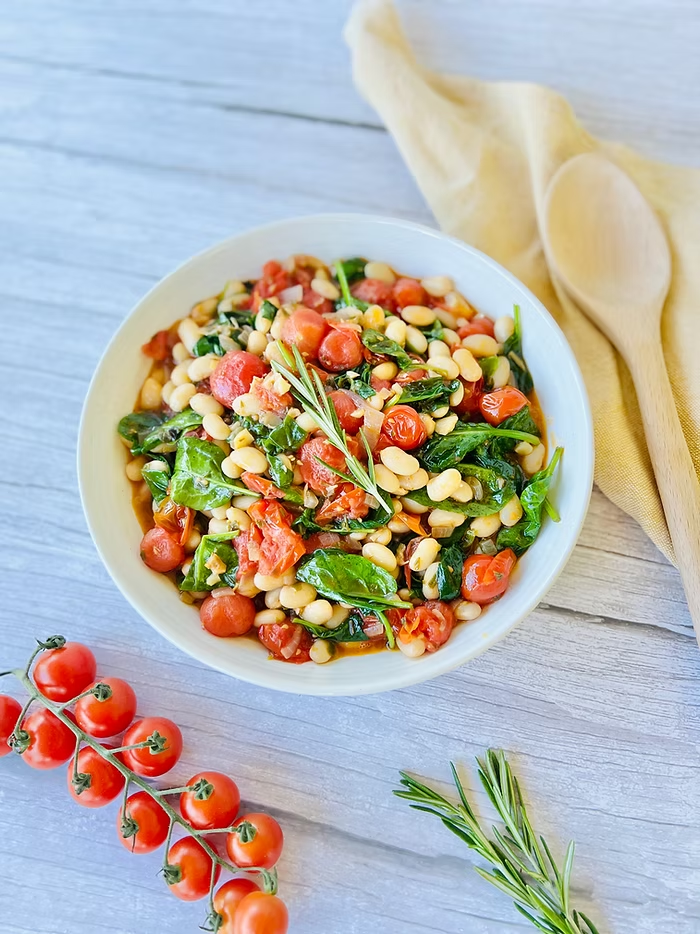
Explore all recipesOur recipe section offers a wide range of options that align with various nutritional therapies, ensuring you can find meals and snacks that are both flavorful and supportive of your dietary needs.
.svg)



Additional CDED Resources


Support our Mission
Your donation will help us to enhance the well-being and health outcomes of patients with GI conditions.
Donate