Trusted Nutrition Information and Support

What is IBS?
Irritable bowel syndrome (IBS) is a chronic and debilitating gastrointestinal disorder characterized by abdominal pain and a change in bowel habits (constipation and/or diarrhea)1,2.
IBS is the most common reason to seek help from a gastroenterologist (a specialist in digestive disorders).
IBS significantly reduces quality of life and is linked to major work productivity losses and increased healthcare costs due to co-existing conditions.
Why Does Nutrition Matter in IBS?
Get IBS resources tailored to you
Learn More Details about IBS
Before making any diet changes, it is first essential to know if diet changes make sense:3
In particular, those with severe food restriction tend to have more severe symptoms, reduced quality of life, and reduced intake of nutrients.6
Also, 41-52% of patients with eating disorders have IBS.7
Food could activate a variety of different mechanisms that are important in the onset and development of IBS. Sometimes the food ingredients themselves are the primary drivers of symptoms, but negative expectations alone can also trigger real symptoms, as seen with non-celiac gluten/wheat sensitivity.8
The goal is to follow the most liberal and nutritious diet that helps maintain symptom control.
Experiencing abdominal pain with a change in bowel habits is the key symptom of IBS. Depending on stool consistency, IBS is grouped into subtypes, including:13
- IBS with diarrhea
- IBS with constipation
- IBS with mixed bowel patterns

Other common symptoms of IBS include:
- bloating (a sensation of fullness in the belly)
- excess gas
- urgency (the need to rush to have a bowel movement)
- mucus in the stool
- the feeling of incomplete emptying after a bowel movement
COVID-19 pandemic was also linked to a surge in IBS, with rates increasing from 6% to 11% among U.S. adults.16
IBS can be confidently diagnosed by a careful review of symptoms, a physical examination, and minimal diagnostic testing.
A reliable IBS diagnosis can be made by your gastroenterologist when:
- Ruling out alarm features or red flags:17
- Onset of symptoms after age 50
- Blood in the stool
- Iron-deficiency anemia
- Nocturnal (while sleeping) diarrhea
- Weight loss
- A family history of organic gastrointestinal disease: colorectal cancer, IBD, celiac disease
Patients with alarm features should be referred for further investigation before concluding they are suffering with IBS.
- The Rome IV Criteria for IBS are fulfilled for the last three months with symptom onset at least six months prior to diagnosis. You will have abdominal pain at least one day per week, along with at least two of the following18:
- Related to defecation
- Onset associated with a change in the frequency of stool
- Onset associated with a change in the form (appearance) of stool
While genetic predisposition can increase the likelihood that IBS will occur, additional inciting factors need to be present to develop IBS:
- Childhood digestive troubles
- History of previous physical, emotional, or sexual abuse
- Parental modeling
- Stress
- Poor coping skills
- Anxiety
- Somatization
- Depression
- Infectious illnesses
IBS does not have a single cause and is considered a disorder of disturbed gut-brain interactions with different mechanisms involved:
- Food sensitivities
- Altered gut microbiota and metabolites
- Increased intestinal permeability
- Immune activation
- Visceral hypersensitivity (increased sensitivity of the internal organs to normal bodily sensations)
- Psychological factors (stress, anxiety, and depression)
- Abnormal gastrointestinal motility

A new theory suggests that a localized food allergy in the gut causes IBS pain. It turns out that a gut infection or stress can activate immune cells in the gut that mistakenly perceive food protein fragments (antigens) as enemies. After the infection or stress disappears, the ingestion of food antigens again could explain the pain and cramping that often accompany a meal.20
IBS isn't a single disease; it's a collection of distinct conditions for which we currently lack a definitive diagnostic test to categorize patients into true disease groups.
It’s important to discuss with the gastroenterologist if it makes sense to check for the following organic diseases, in case they are the root cause of the symptoms:21
- Colorectal cancer
- IBD (Crohn’s disease, ulcerative colitis, and microscopic colitis)
- Gastrointestinal parasitic infections
- Small intestinal bacterial overgrowth
- Celiac disease
- Bile acid diarrhea
- Sucrase-isomaltase deficiency
- Exocrine pancreatic insufficiency
- Dyssynergic defecation
Since IBS can mimic many other medical issues, it is imperative that you do not self-diagnose with IBS and ask your physician to make a reliable diagnosis based on your symptoms and previous history.
Most diets for IBS rely on restricting well-known IBS triggers and only target gut symptoms. However, poor mental health is common in IBS and a higher psychological burden is associated with more visits to the gastroenterologist, more use of drugs for IBS, lower quality of life, and greater GI-specific anxiety.9
The management of IBS is not one-size-fits-all and involves multiple healthcare professionals and factors:10
- Dietary therapies, including supplements, foods and drinks, and whole diets
- Medical management
- Behavioral management (e.g., gut-directed hypnotherapy)

Before making any diet changes, it is first essential to know if diet changes make sense:3
In particular, those with severe food restriction tend to have more severe symptoms, reduced quality of life, and reduced intake of nutrients.6
Also, 41-52% of patients with eating disorders have IBS.7
Food could activate a variety of different mechanisms that are important in the onset and development of IBS. Sometimes the food ingredients themselves are the primary drivers of symptoms, but negative expectations alone can also trigger real symptoms, as seen with non-celiac gluten/wheat sensitivity.8
The goal is to follow the most liberal and nutritious diet that helps maintain symptom control.
Experiencing abdominal pain with a change in bowel habits is the key symptom of IBS. Depending on stool consistency, IBS is grouped into subtypes, including:13
- IBS with diarrhea
- IBS with constipation
- IBS with mixed bowel patterns
Other common symptoms of IBS include:
- bloating (a sensation of fullness in the belly)
- excess gas
- urgency (the need to rush to have a bowel movement)
- mucus in the stool
- the feeling of incomplete emptying after a bowel movement
COVID-19 pandemic was also linked to a surge in IBS, with rates increasing from 6% to 11% among U.S. adults.16
IBS can be confidently diagnosed by a careful review of symptoms, a physical examination, and minimal diagnostic testing.
A reliable IBS diagnosis can be made by your gastroenterologist when:
- Ruling out alarm features or red flags:17
- Onset of symptoms after age 50
- Blood in the stool
- Iron-deficiency anemia
- Nocturnal (while sleeping) diarrhea
- Weight loss
- A family history of organic gastrointestinal disease: colorectal cancer, IBD, celiac disease
Patients with alarm features should be referred for further investigation before concluding they are suffering with IBS.
- The Rome IV Criteria for IBS are fulfilled for the last three months with symptom onset at least six months prior to diagnosis. You will have abdominal pain at least one day per week, along with at least two of the following18:
- Related to defecation
- Onset associated with a change in the frequency of stool
- Onset associated with a change in the form (appearance) of stool
While genetic predisposition can increase the likelihood that IBS will occur, additional inciting factors need to be present to develop IBS:
- Childhood digestive troubles
- History of previous physical, emotional, or sexual abuse
- Parental modeling
- Stress
- Poor coping skills
- Anxiety
- Somatization
- Depression
- Infectious illnesses
IBS does not have a single cause and is considered a disorder of disturbed gut-brain interactions with different mechanisms involved:
- Food sensitivities
- Altered gut microbiota and metabolites
- Increased intestinal permeability
- Immune activation
- Visceral hypersensitivity (increased sensitivity of the internal organs to normal bodily sensations)
- Psychological factors (stress, anxiety, and depression)
- Abnormal gastrointestinal motility
A new theory suggests that a localized food allergy in the gut causes IBS pain. It turns out that a gut infection or stress can activate immune cells in the gut that mistakenly perceive food protein fragments (antigens) as enemies. After the infection or stress disappears, the ingestion of food antigens again could explain the pain and cramping that often accompany a meal.20
IBS isn't a single disease; it's a collection of distinct conditions for which we currently lack a definitive diagnostic test to categorize patients into true disease groups.
It’s important to discuss with the gastroenterologist if it makes sense to check for the following organic diseases, in case they are the root cause of the symptoms:21
- Colorectal cancer
- IBD (Crohn’s disease, ulcerative colitis, and microscopic colitis)
- Gastrointestinal parasitic infections
- Small intestinal bacterial overgrowth
- Celiac disease
- Bile acid diarrhea
- Sucrase-isomaltase deficiency
- Exocrine pancreatic insufficiency
- Dyssynergic defecation
Since IBS can mimic many other medical issues, it is imperative that you do not self-diagnose with IBS and ask your physician to make a reliable diagnosis based on your symptoms and previous history.
Most diets for IBS rely on restricting well-known IBS triggers and only target gut symptoms. However, poor mental health is common in IBS and a higher psychological burden is associated with more visits to the gastroenterologist, more use of drugs for IBS, lower quality of life, and greater GI-specific anxiety.9
The management of IBS is not one-size-fits-all and involves multiple healthcare professionals and factors:10
- Dietary therapies, including supplements, foods and drinks, and whole diets
- Medical management
- Behavioral management (e.g., gut-directed hypnotherapy)
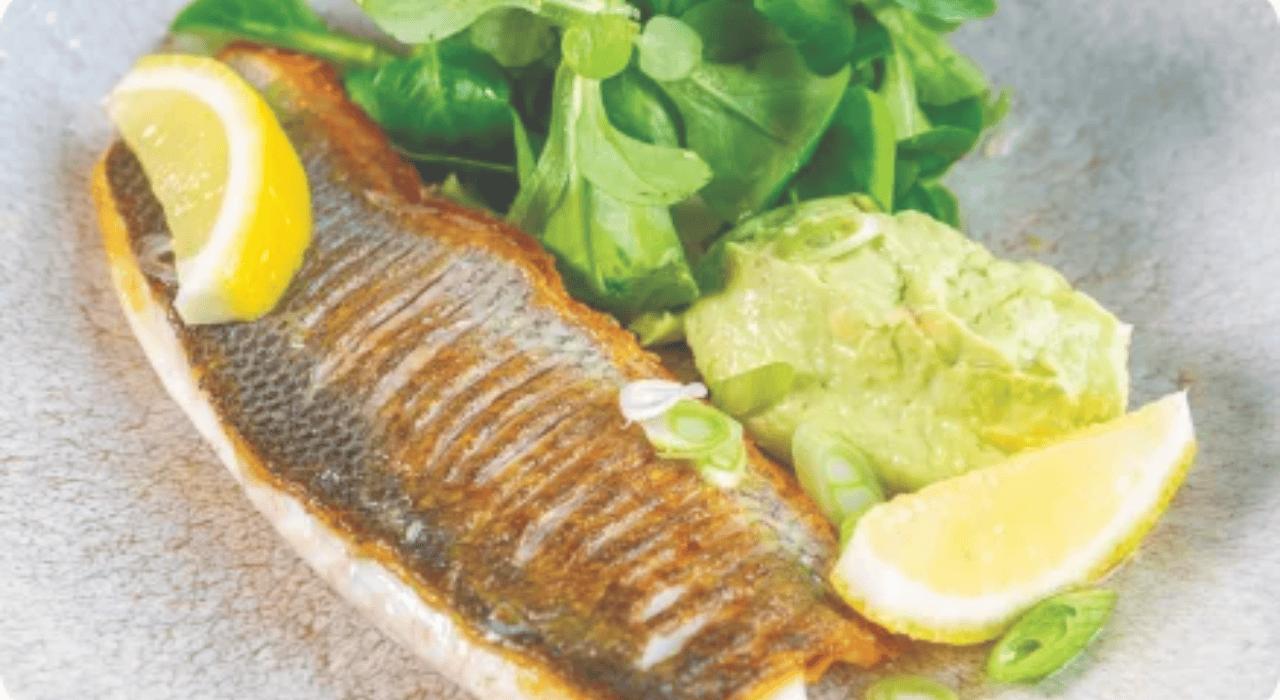
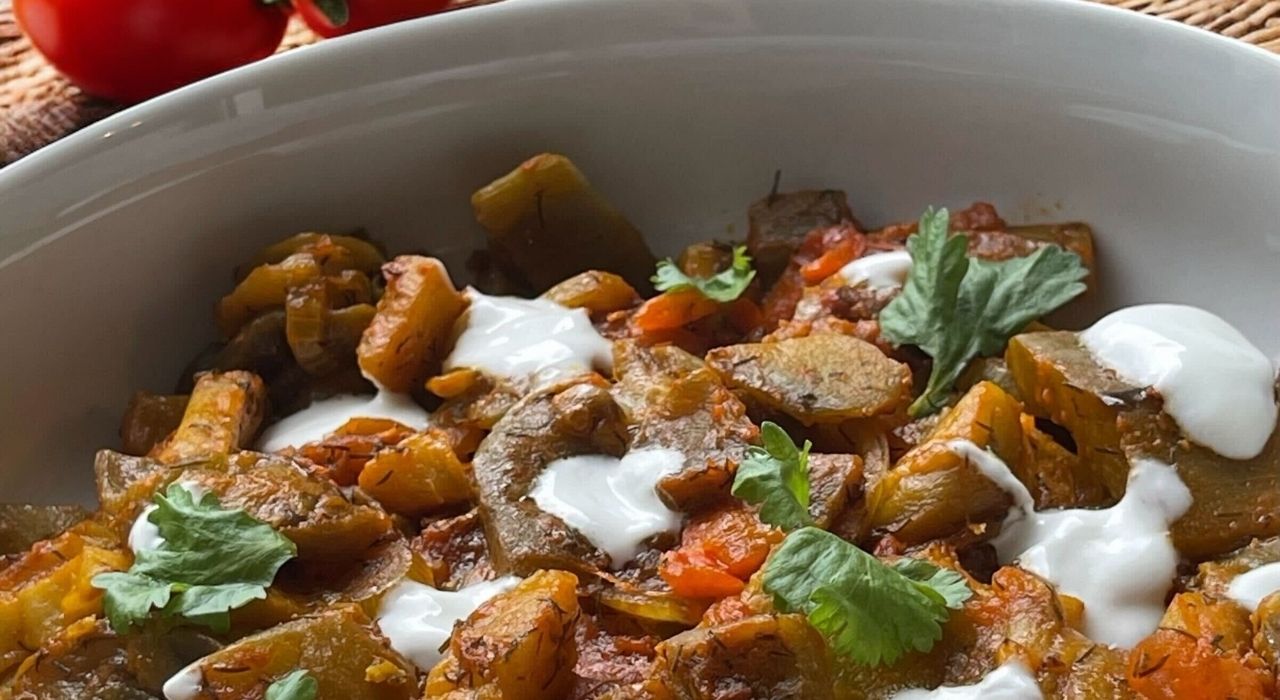
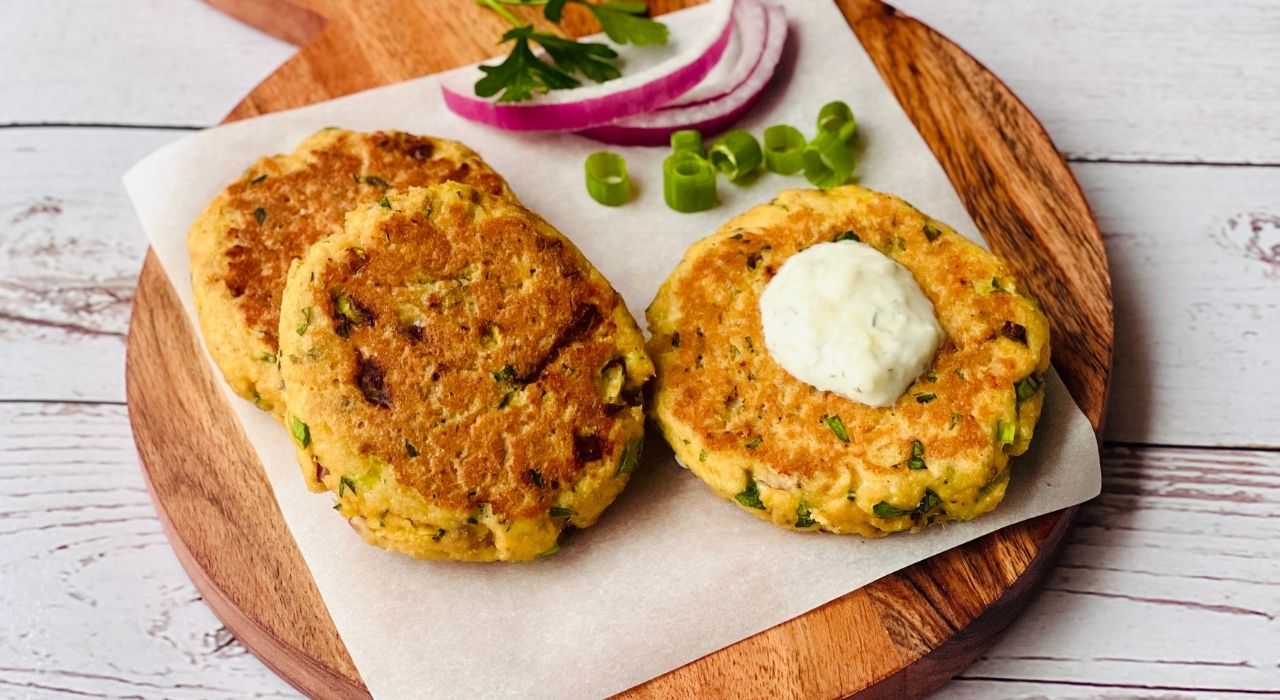
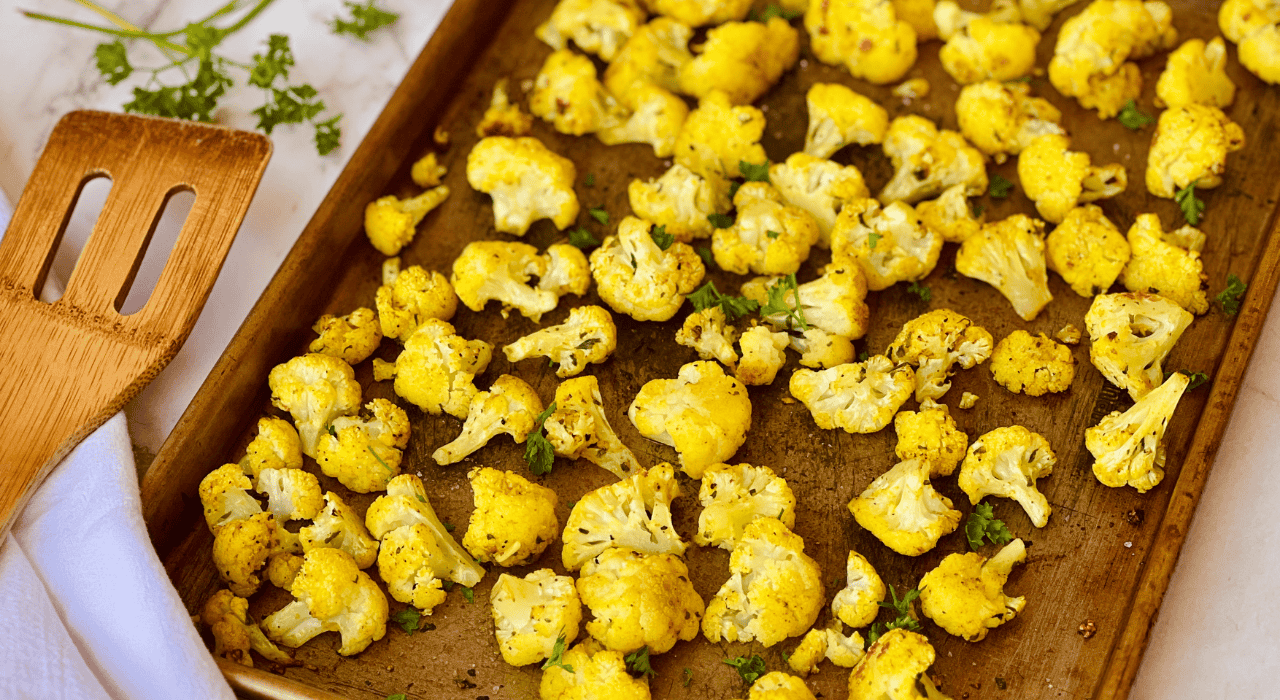
Delicious and Nutritious Recipes

.svg)
%2520%2526%2520Spinach%2520Curry.jpeg)
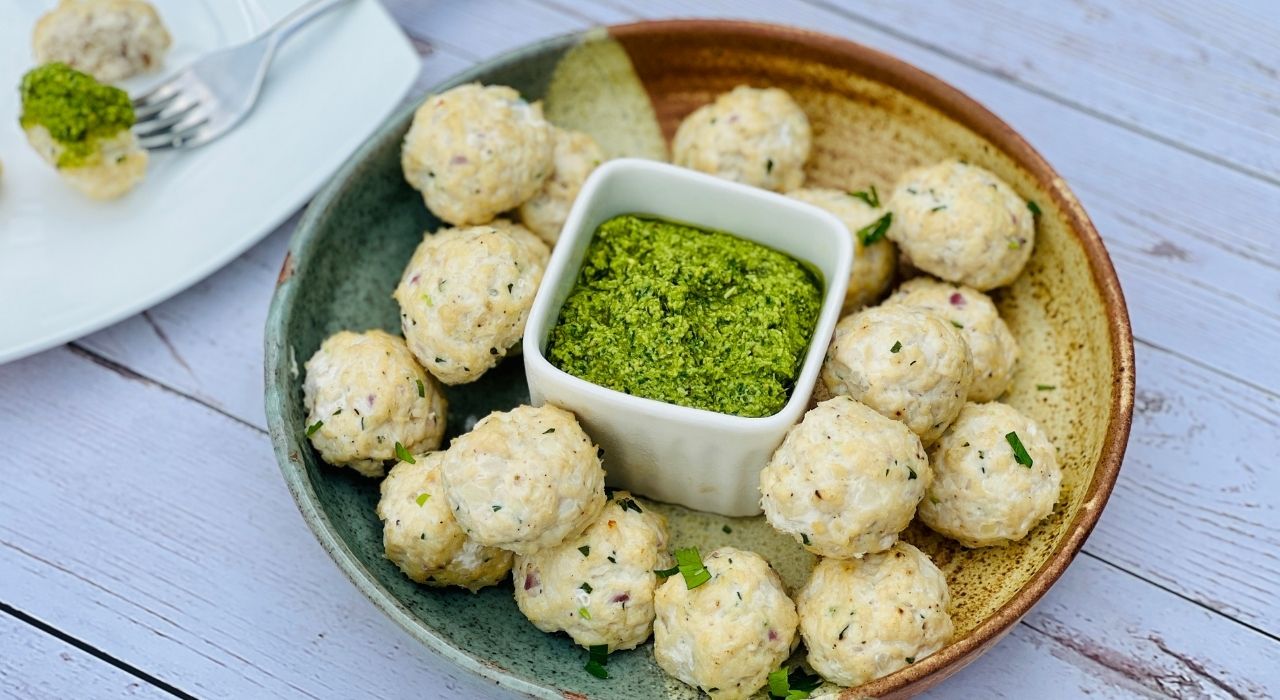

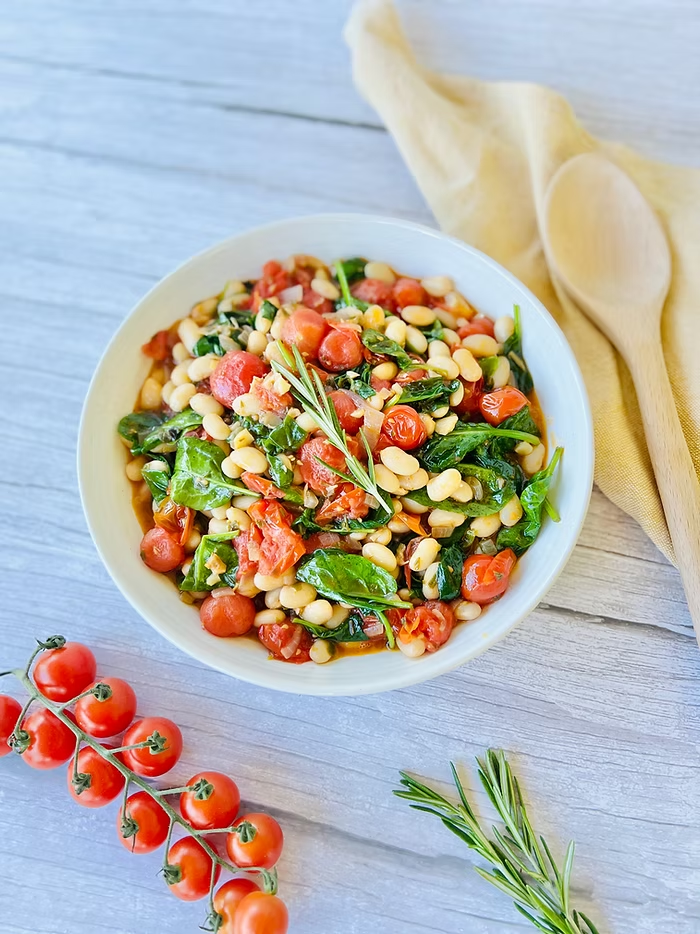
Search Our Resource and Lifestyle Database


Gain Knowledge with Our Research
References
- Oka P, Parr H, Barberio B, et al. Global prevalence of irritable bowel syndrome according to Rome III or IV criteria: a systematic review and meta-analysis. Lancet Gastroenterol Hepatol. 2020; 5(10):908-917. doi: 10.1016/S2468-1253(20)30217-X.
- Lacy BE, Mearin F, Chang L, et al. Bowel disorders. Gastroenterology. 2016; 150(6):1393-1407. doi: 10.1053/j.gastro.2016.02.031.
- Chey WD, Hashash JG, Manning L, et al. AGA clinical practice update on the role of diet in irritable bowel syndrome: expert review. Gastroenterology. 2022; 162(6):1737-1745.e5. doi: 10.1053/j.gastro.2021.12.248.
- Satherley R, Howard R, Higgs S. Disordered eating practices in gastrointestinal disorders. Appetite. 2015; 84:240-50. doi: 10.1016/j.appet.2014.10.006.
- Scarlata K, Zickgraf HF, Satherley RM, et al. A call to action: unraveling the nuance of adapted eating behaviors in individuals with gastrointestinal conditions. Clin Gastroenterol Hepatol. 2025; 23(6):893-901.e2. doi: 10.1016/j.cgh.2024.11.010.
- Melchior C, Algera J, Colomier E, et al. Food avoidance and restriction in irritable bowel syndrome: relevance for symptoms, quality of life and nutrient intake. Clin Gastroenterol Hepatol. 2022; 20(6):1290-1298.e4. doi: 10.1016/j.cgh.2021.07.004.
- Sato Y, Fukudo S. Gastrointestinal symptoms and disorders in patients with eating disorders. Clin J Gastroenterol. 2015; 8(5):255-63. doi: 10.1007/s12328-015-0611-x.
- Biesiekierski JR, Jonkers D, Ciacci C, et al. Non-coeliac gluten sensitivity. Lancet. 2025; 406(10518):2494-2508. doi: 10.1016/S0140-6736(25)01533-8.
- Black CJ, Ford AC. Global burden of irritable bowel syndrome: trends, predictions and risk factors. Nat Rev Gastroenterol Hepatol. 2020; 17(8):473-486. doi: 10.1038/s41575-020-0286-8.
- Chey WD, Keefer L, Whelan K, et al. Behavioral and diet therapies in integrated care for patients with irritable bowel syndrome. Gastroenterology. 2021; 160(1):47-62. doi: 10.1053/j.gastro.2020.06.099.
- Sturkenboom R, Keszthelyi D, Masclee AAM, et al. Discrete choice experiment reveals strong preference for dietary treatment among patients with irritable bowel syndrome. Clin Gastroenterol Hepatol. 2022; 20(11):2628-2637. doi: 10.1016/j.cgh.2022.02.016.
- Gut Microbiota for Health. Diets for irritable bowel syndrome: what you need to know. Available on: https://www.gutmicrobiotaforhealth.com/diets-for-irritable-bowel-syndrome-what-you-need-to-know/
- Lacy BE, Mearin F, Chang L, et al. Bowel disorders. Gastroenterology. 2016; 150(6):1393-1407. doi: 10.1053/j.gastro.2016.02.031.
- Satherley R, Howard R, Higgs S. Disordered eating practices in gastrointestinal disorders. Appetite. 2015; 84:240-50. doi: 10.1016/j.appet.2014.10.006.
- Spiller R, Garsed K. Postinfectious irritable bowel syndrome. Gastroenterology. 2009; 136(6):1979-88. doi: 10.1053/j.gastro.2009.02.074.
- Almario CV, Yung Choi S, Chey WD, et al. Trends in prevalence of Rome IV disorders of gut-brain interaction during the COVID-19 pandemic: results from a nationally representative sample of over 160,000 people in the US. Neurogastroenterol Motil. 2025; e70020. doi: 10.1111/nmo.70020.
- Brandler J, Chey WD. Fishing for irritable bowel syndrome: which alarm features weave the best net? Clin Gastroenterol Hepatol. 2020; 20(2):276-278. doi: 10.1016/j.cgh.2020.11.020.
- Cash BD. Gastroenterology & Hepatology. 2020; 2018, 14(5 Suppl 3):3-15.
- Carco C, Young W, Gearry RB, et al. Increasing evidence that irritable bowel syndrome and functional gastrointestinal disorders have a microbial pathogenesis. Front Cell Infect Microbiol. 2020; 10:468. doi: 10.3389/fcimb.2020.00468.
- Ford AC, Staudacher HM, Talley NJ. Postprandial symptoms in disorders of gut-brain interaction and their potential as a treatment target. Gut. 2024; 73(7):1199-1211. doi: 10.1136/gutjnl-2023-331833.
- Frissora CL, Schiller LR. Getting the BS out of irritable bowel syndrome with diarrhea (IBS-D): let’s make a diagnosis. Curr Gastroenterol Rep. 2024; 26(1):20-29. doi: 10.1007/s11894-023-00909-1.
