Gluten-Free Mediterranean Diet

About the Gluten-Free Mediterranean Diet
A gluten-free diet (GFD) is the current treatment for celiac disease. When following a gluten-free diet, many questions may arise such as:
- Which foods contain gluten?
- Can I continue to enjoy a healthy and balanced diet while avoiding gluten?
- Is it safe to keep grains in my diet?
We are here to guide you through everything you need to know to follow a gluten-free Mediterranean diet, ensuring it is both nutritious and enjoyable.
It is well known that following a Mediterranean diet supports health benefits across various conditions, including cardiovascular disease, cancer, and diabetes. Many of these benefits are attributed to reduced inflammation and a higher consumption of vegetables, fruits, nuts, and healthy fats such as those found in avocados, fish, and olive oil.1,2
Healthy, Naturally Gluten-Free Foods
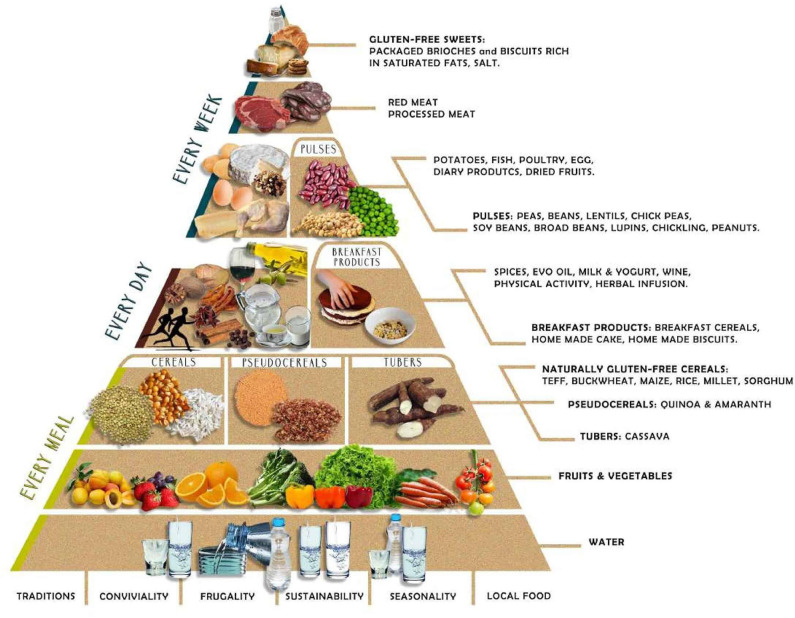
It is possible to follow a healthy Mediterranean-like diet that prioritizes naturally gluten-free foods:
Gluten-Free Grains and Their Benefits
Eating whole grains instead of refined grains has been shown to lower the risk of many chronic diseases.6 In addition, 100% whole grain flours retain all the beneficial phytonutrients found in the bran and germ. They are a good source of protein, dietary fiber, and minerals, offering the full nutritional benefits of the whole grains themselves. The greatest nutritional benefits are seen in people who consume at least 3 servings (48 g) per day, but some studies suggest that even one serving daily can make a difference.6
The only major change in a gluten-free diet involves the type of cereals that can be included. With some of the most common grains off the table, boosting whole grain intake might seem tricky. However, there are many naturally gluten-free cereals and pseudocereals available today that can successfully replace wheat and other gluten-containing grains and that do not lead to a reduction in nutrition quality.3
The following carbohydrate-rich cereals, pseudocereals, tubers and legumes are naturally gluten-free and are safe options for substituting gluten-containing grains such as wheat, rye, and barley.
- Cereals: teff, maize, rice, millet, sorghum
- Pseudocereals: quinoa, buckwheat, amaranth, quinoa, and chia
- Tubers: yuca (cassava), tapioca (a starch extracted from cassava root), sweet potato
- Legumes: beans, lentils, chickpeas, soybeans
Following a gluten-free diet doesn’t just come with challenges, it is also a great opportunity to explore new flavors and add more nutrients to your meals. Today, many supermarkets offer whole-grain pasta and flours made from ancient gluten-free grains, offering an appealing alternative to traditional gluten-containing whole grains.

- Rich in protein (12–19%) with important amino acids like cysteine and methionine
- Good source of fiber
- Quinoa is especially rich in healthy fats including omega-3 and omega-6
- Contains antioxidants
- Some natural compounds may reduce nutrient absorption slightly
- High in fiber (3 g per 100 g)
- Protein content 10.5–13%
- Rich in minerals: calcium, zinc, magnesium, iron, phosphorus, copper
- Contains vitamins C, A, niacin, riboflavin, thiamine
- High in fiber
- Contains beneficial plant compounds (bioactive compounds)
Contains polyphenols, plant compounds that are widely recognized for supporting overall health. 4
- Provides many B vitamins, essential minerals, and fiber
- Low in vitamin B12, vitamin C, calcium, folate, and iron
- Mostly starch
- High in soluble fiber, especially beta-glucans
- Contains antioxidants like vitamin E
Enjoying Shared Meals While Staying Gluten-Free
Sharing meals with others is a central part of the Mediterranean diet, but it can be challenging for people with celiac disease.
Whether it is a work lunch, a gathering with friends, or a family dinner, gluten can easily appear in shared dishes: breadcrumbs on the table, passed appetizers, traditional sauces or desserts meant for everyone. While these situations can feel frustrating, following a gluten-free diet doesn't mean you have to miss out or simply get through the meal.
Consider these steps to help you enjoy shared meals safely and confidently.
References
- Tosti V, Bertozzi B, Fontana L. Health Benefits of the Mediterranean Diet: Metabolic and Molecular Mechanisms. J Gerontol A Biol Sci Med Sci. 2018 Mar 2;73(3):318-326. doi: 10.1093/gerona/glx227.
- Guasch-Ferré M, Salas-Salvadó J, Ros E, Estruch R, Corella D, Fitó M, Martínez-González MA; PREDIMED Investigators. The PREDIMED trial, Mediterranean diet and health outcomes: How strong is the evidence? Nutr Metab Cardiovasc Dis. 2017 Jul;27(7):624-632. doi: 10.1016/j.numecd.2017.05.004.
- Bascuñán K, Elli L, Vecchi M, et al. Mediterranean gluten-free diet: is it a fair bet for the treatment of gluten-related disorders? Front Nutr. 2020; 7:583981. doi: 10.3389/fnut.2020.583981.
- Goufo P, Trindade H. Rice antioxidants: phenolic acids, flavonoids, anthocyanins, proanthocyanidins, tocopherols, tocotrienols, γ-oryzanol, and phytic acid. Food Sci Nutr. 2014 Mar;2(2):75-104. doi: 10.1002/fsn3.86.
- Peresztegi MZ, Szakács Z, Vereczkei Z, Dakó E, Dakó S, Lada S, Lemes K, Holczer M, Farkas N, Bajor J. Mediterranean Diet Adherence in Celiac Patients: A Nested Cross-Sectional Study. Nutrients. 2025;17(5):788. https://doi.org/10.3390/nu17050788
- Kahlon TS, Chiu, MCM. Teff, Buckwheat, Quinoa and Amaranth: Ancient Whole Grain Gluten-Free Egg-Free Pasta. FASEB J. 2015;29(1_suppl):591. doi:10.1096/fasebj.29.1_supplement.591.1
- Pagano AE. Whole grains and the gluten-free diet. Practical Gastroenterology. 2006 Oct;30(10):66‑79.
Delicious and Nutritious Recipes
Explore all recipesOur recipe section offers a wide range of options that align with various nutritional therapies, ensuring you can find meals and snacks that are both flavorful and supportive of your dietary needs.
.svg)
%2520%2526%2520Spinach%2520Curry.jpeg)

Additional Gluten-Free MED Resources


