
Copied
Food: The Main Course for Digestive Health Conference 2026
Discover what’s new and interesting in nutrition and diet for key gastrointestinal diseases and disorders and enhance your knowledge on up-to-date GI topics.
In July 2026, GI Nutrition Foundation attended virtually the 2026 edition of FOOD: The Main Course to Digestive Health Conference hosted by the University of Michigan Division of Gastroenterology and Hepatology and endorsed by the American College of Gastroenterology. This year, the conference celebrated its tenth anniversary and, according to the organizers, had 340 attendees in person and online.
Here are some key takeaways from the conference on the role of diet and nutrition for managing common GI disorders, including irritable bowel syndrome (IBS), inflammatory bowel disease (IBD), and eosinophilic esophagitis.
What’s New in IBS Diagnosis and Less Restrictive Dietary Approaches?
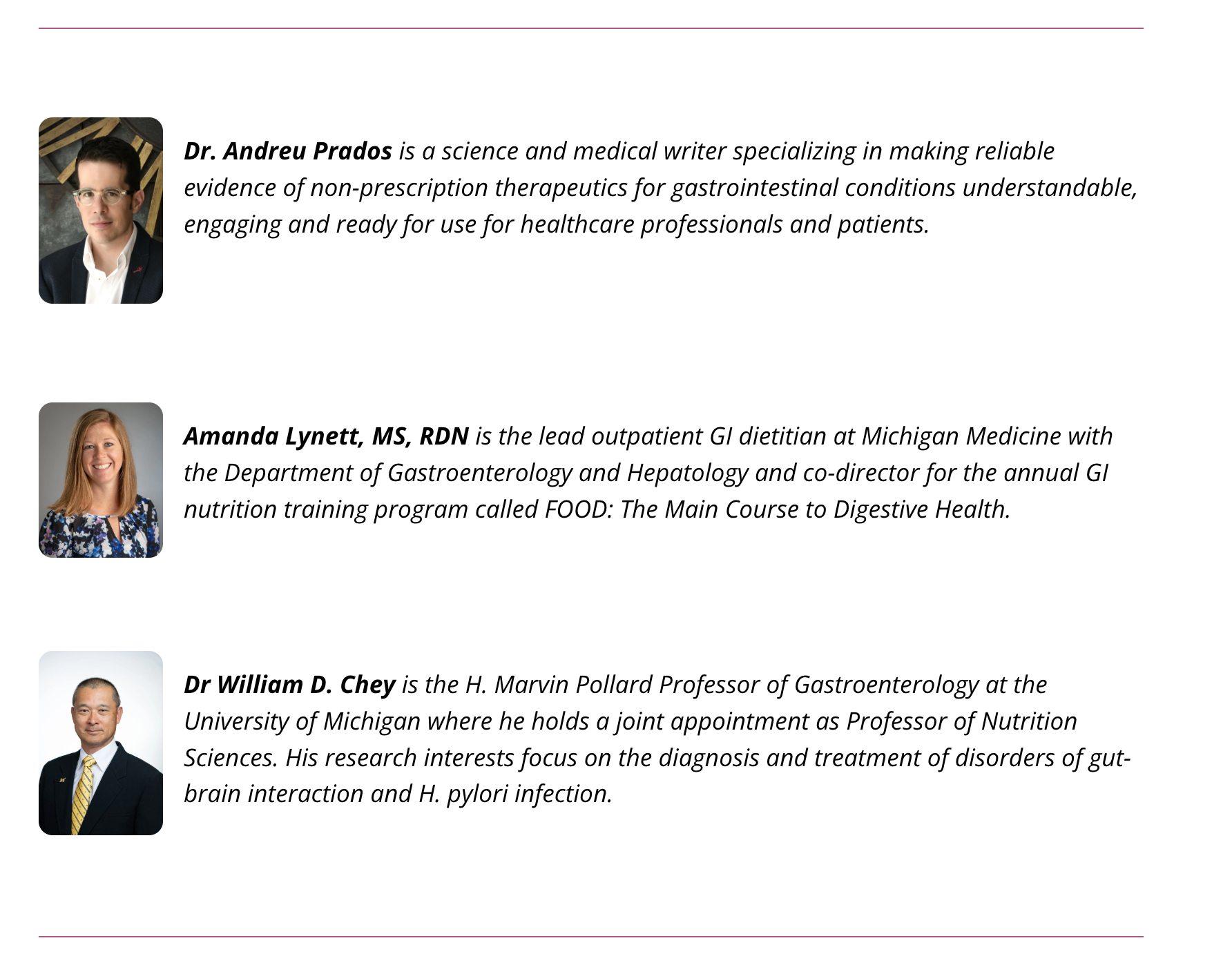
William D. Chey, PhD, MD, president of the American College of Gastroenterology and professor at the University of Michigan, introduced the major changes in the new Rome V criteria, including, but not limited to, the replacement of the term “functional” where feasible, updated criteria for IBS (a revision to re-include ‘discomfort’ alongside pain as part of the diagnostic criteria and reduce the required symptom frequency threshold to 3 days per month, replacing the stricter Rome IV rule, which required abdominal pain to occur at least 1 day per week), new or refined diagnostics entities (such as inability to belch and adult abdominal migraine) and reclassification and organization of pediatric conditions by anatomy and not age.1
Prashant Singh, PhD, MD, from the University of Michigan, highlighted that the gut microbiome is one component of a broader brain-gut-microbiome ecosystem rather than the unique cause of patients’ complaints. IBS is a heterogeneous disorder with physiological parameters (e.g., mast cell activation, barrier function) correlating poorly with clinical symptoms. Thus, it is important to emphasize to patients that symptom improvement, not microbiome test normalization, is the goal.2
“The microbiome may be central in some patients with IBS (e.g., postinfectious IBS) and less important in others (e.g., constipation-predominant symptoms)”.
Prashant Singh, PhD, MD, University of Michigan
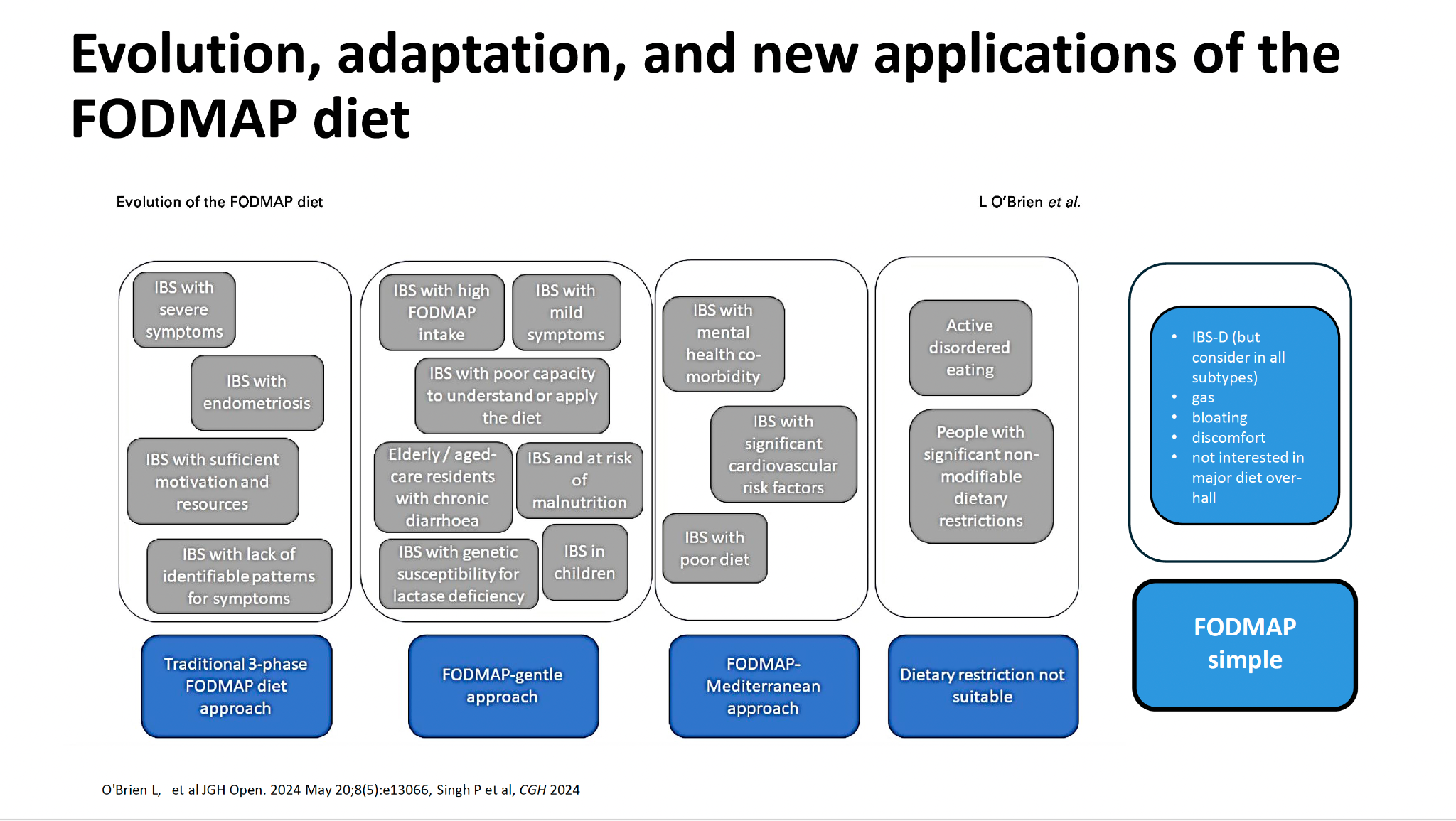
Kate Scarlata, MPH, RDN, GI expert dietitian with 30+ years of digestive health experience, shared the art and science of tailoring less restrictive approaches of the low FODMAP diet to enhance quality of life in IBS. All FODMAPs are not equal. Emerging evidence supports less restrictive approaches as a first step for managing IBS, such as reducing a few foods that are highly concentrated in FODMAPs (FODMAP gentle diet) or lowering short-chain carbohydrates (fructans and galacto-oligosaccharides) while keeping the rest of the diet similar (FODMAP simple diet).3,4
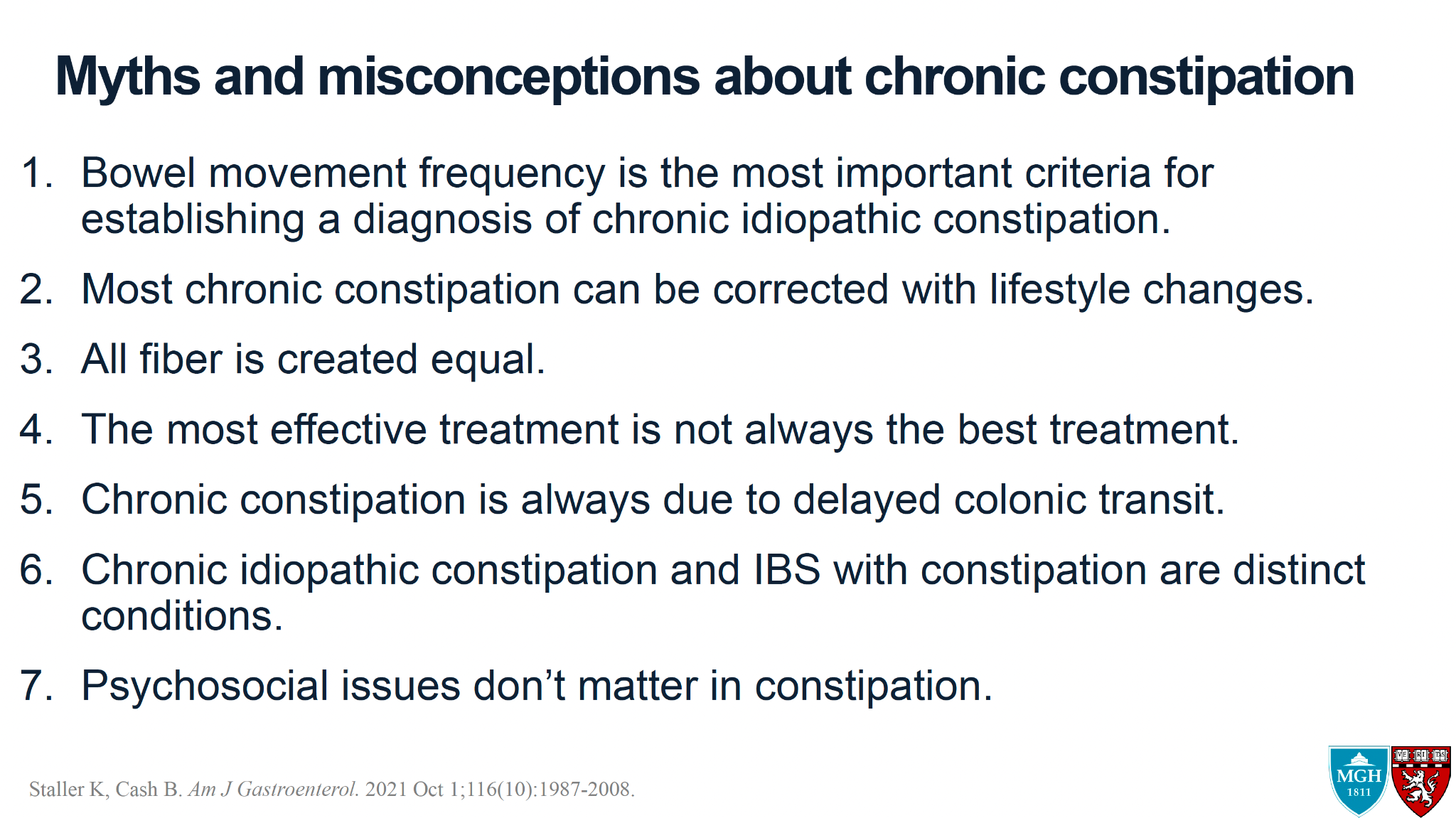
Over 90% of patients with IBS and 30% of the general population have bloating. Bloating (sensation of abdominal swelling described by the patient as “I feel an inflated balloon in the belly”) usually coexists with distension (actual increase in measured abdominal size). Patients with bloating often have chronic constipation, which is not always due to delayed colonic transit and is not always corrected with lifestyle changes. Recent evidence suggests that a contraction of the diaphragm and consequent relaxation of the abdominal wall, rather than excess fecal content or gas within the bowel, is the main culprit of visible distension.5
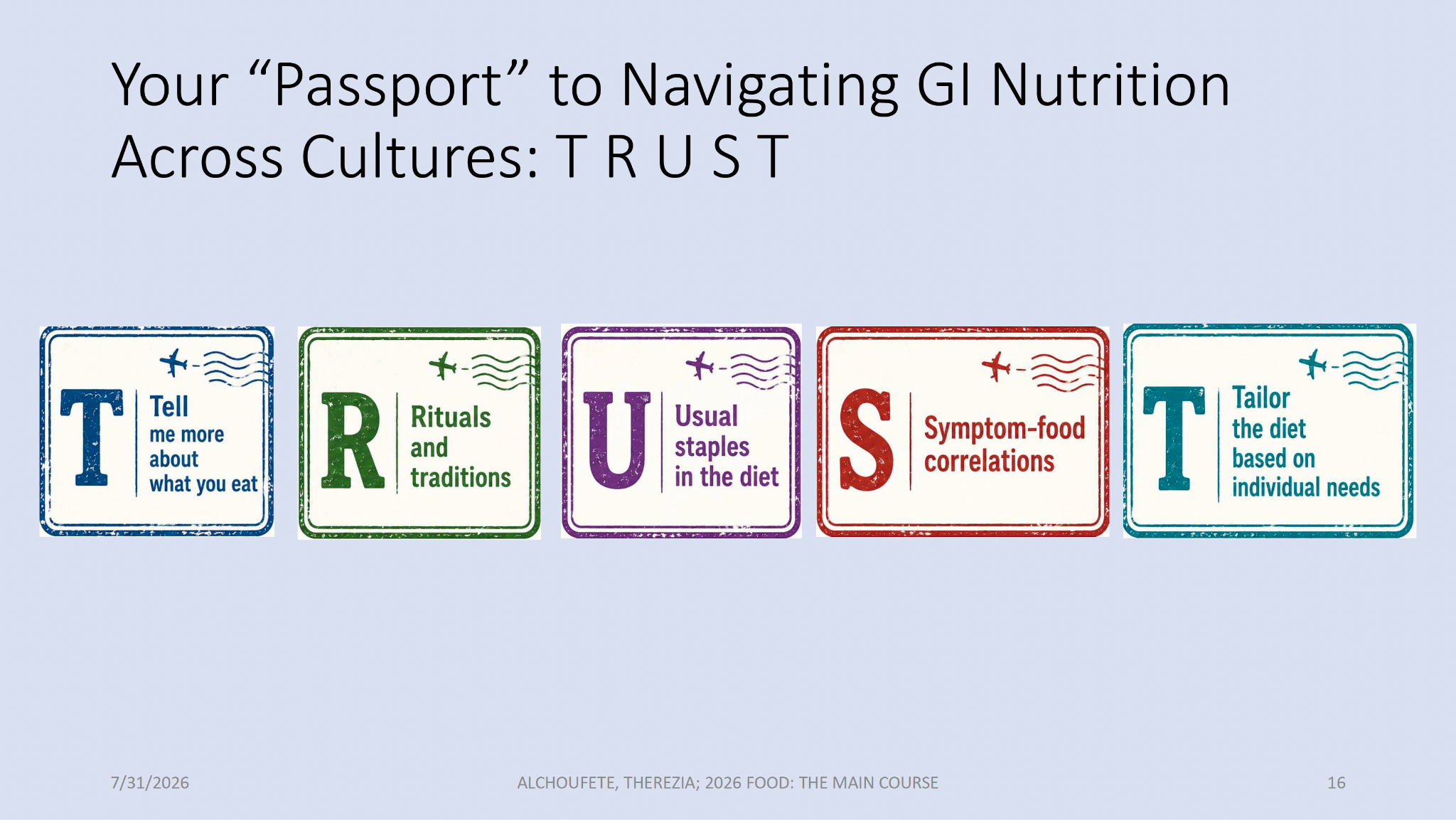
Beyond choosing the right dietary intervention for the right patient based on the etiology of symptoms, cultural competence also matters in the delivery of nutrition and symptom care in GI disorders. Our patients are the experts in their own culture. Providers must practice inclusive care and collaborate with patients to honor food culture while supporting symptom management and nutritional adequacy.
How Can I Improve Gut Health Beyond Diet?
Non-food-based strategies are also worth considering in some patients with disorders of gut-brain interaction (DGBI) and IBD. Psychological therapies that target stress and other gut–brain processes are efficacious in reducing gut symptoms in IBS (can be as effective as dietary therapies), modestly affect gut symptoms in IBD, and have value in lessening the psychological sequelae of both. There is growing evidence that diaphragmatic breathing, yoga, tai chi, and hypnotherapy may benefit patients with GI disease through creating an absorbed state of attention combined with suggestions for change.6,7
“Behavioral and neuromodulation approaches that target vagal pathways might improve gastrointestinal symptoms, including IBS and other disorders of gut-brain interaction”.
Lin Chang, MD, David Geffen School of Medicine at University of California, Los Angeles
Other non-pharmacological interventions for IBS and IBD with variable levels of evidence act by targeting the gut microbiome (e.g., select prebiotics at low doses),8 supporting gut motility (e.g., abdominal massage),9 or decreasing pain and inflammation (e.g., curcumin for induction and maintenance of remission in UC and for improving IBS symptom severity).10,11
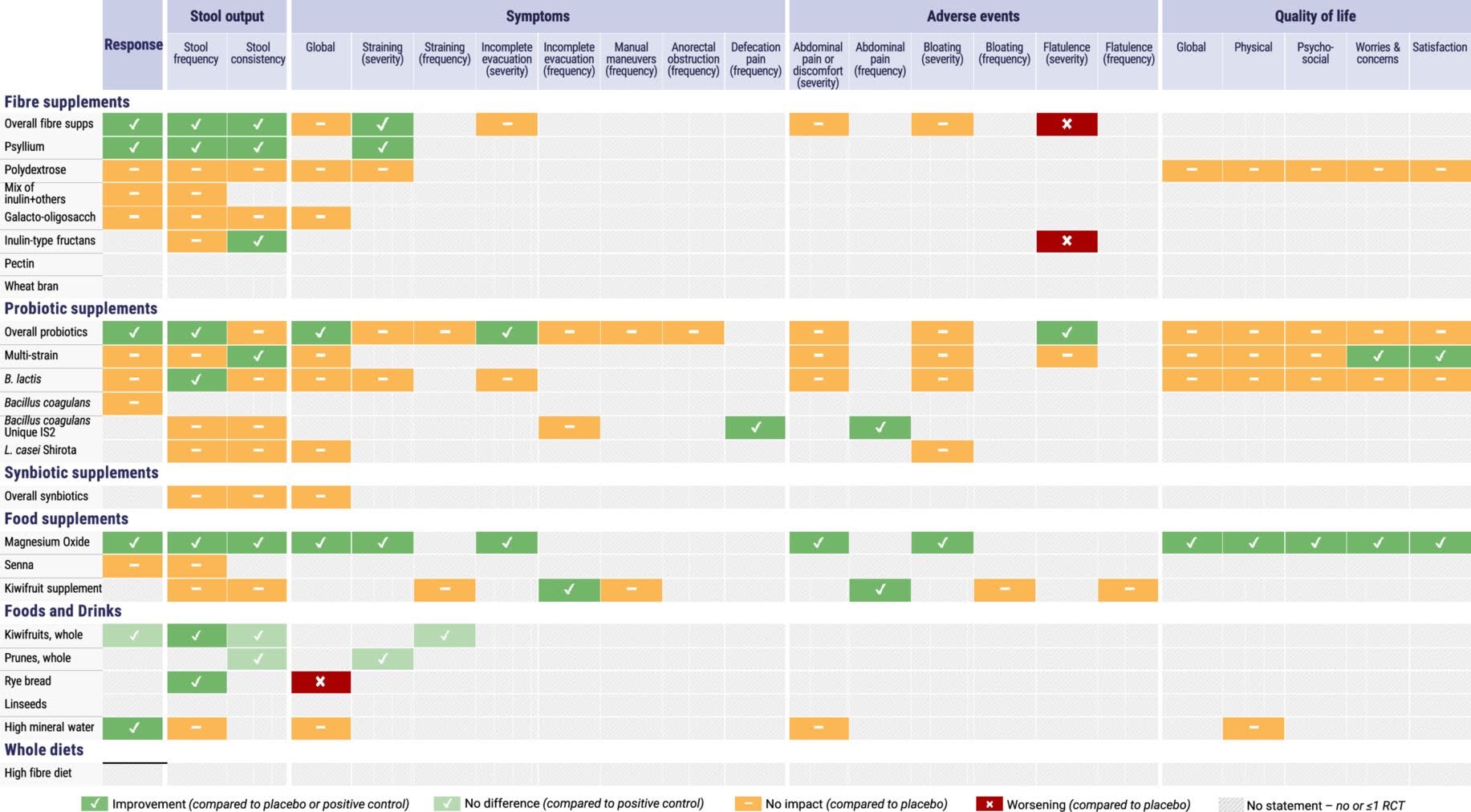
The first dietary guidelines for the management of chronic constipation reviewed 75 trials and have marked a shift in the advice dietitians and other healthcare professionals can offer to adults living with this common condition. Research consistently shows that psyllium improves stool output and straining, with optimal effects for higher doses (>10 g/day) and longer durations of treatment (≥4 weeks). Some probiotics, notably Bifidobacterium lactis and Bacillus coagulans Unique IS2, and magnesium oxide supplements (dose 0.5–1.5 g/day) might also improve specific constipation outcomes. However, senna supplements, polydextrose, synbiotics, other probiotic strains (e.g. Lactobacillus casei Shirota), and a high-fiber diet (with fiber derived from a range of unspecified fiber-containing foods) are not recommended for the management of chronic constipation.12
“Psyllium supplements, certain probiotic strains, magnesium oxide supplements, kiwifruits, rye bread, and high mineral water are recommended to improve specific constipation outcomes”.
Megan Villareal, MS, RDN, University of Michigan
Success in IBD Management Goes Beyond Calming Down the Immune System
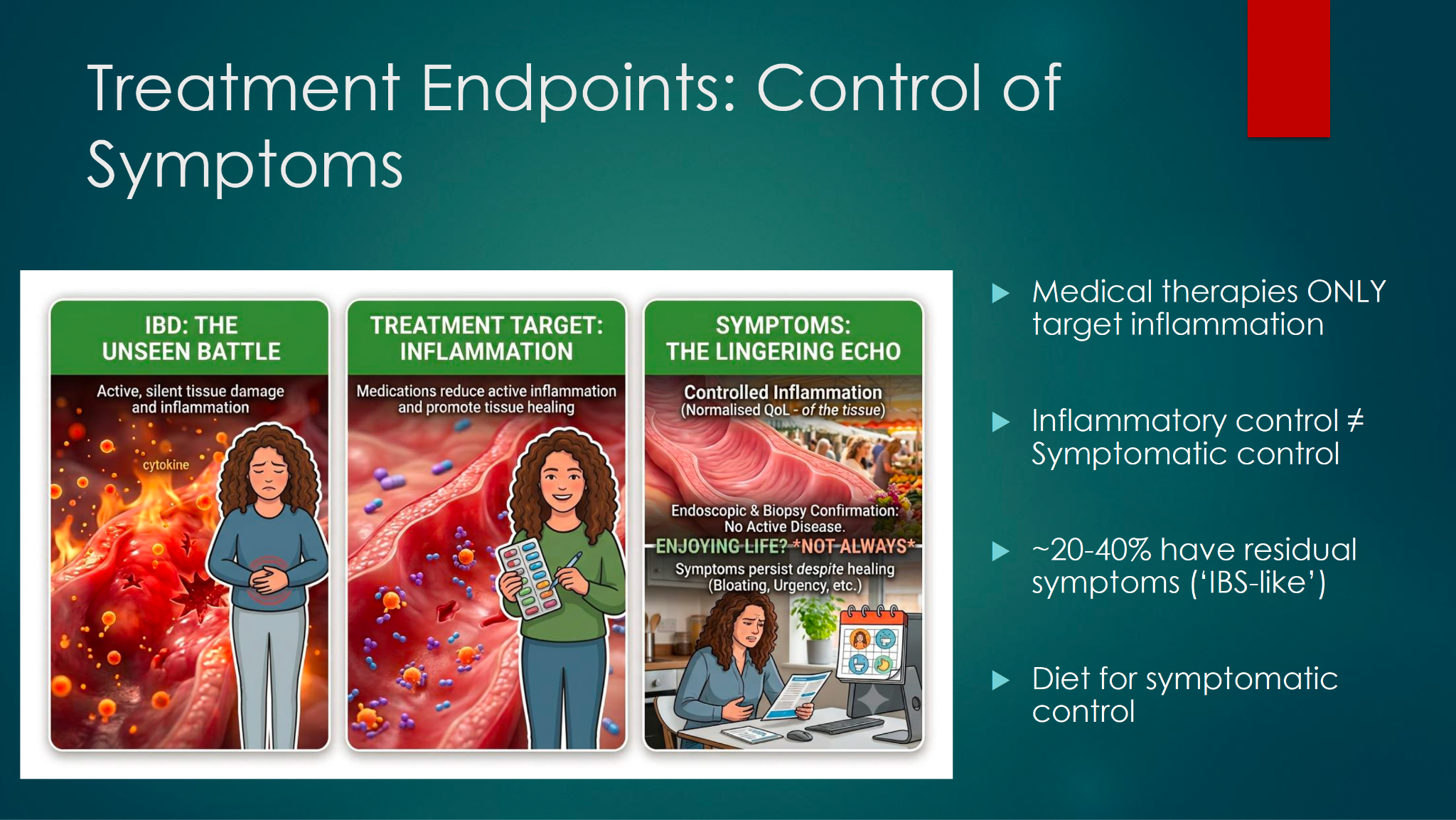
Shrinivas Bishu, MD, FACG, from the University of Michigan, gave an overview of available therapeutic targets in IBD. While current IBD treatments target activation of the immune system, the way forward is also acting on the gut microbiome and gut barrier, which are disrupted in patients with IBD. Quality of life and disability are formal long-term targets in IBD.13 This responds to the reality that despite biochemical, endoscopic and histologic remission, 20-40% of patients with IBD have residual symptoms that hinder their daily life. Diet has the potential to induce a protective, anti-inflammatory gut microbiota and control symptoms that may persist even in remission, hence highlighting the need for combined advanced therapies-nutrition trials.14
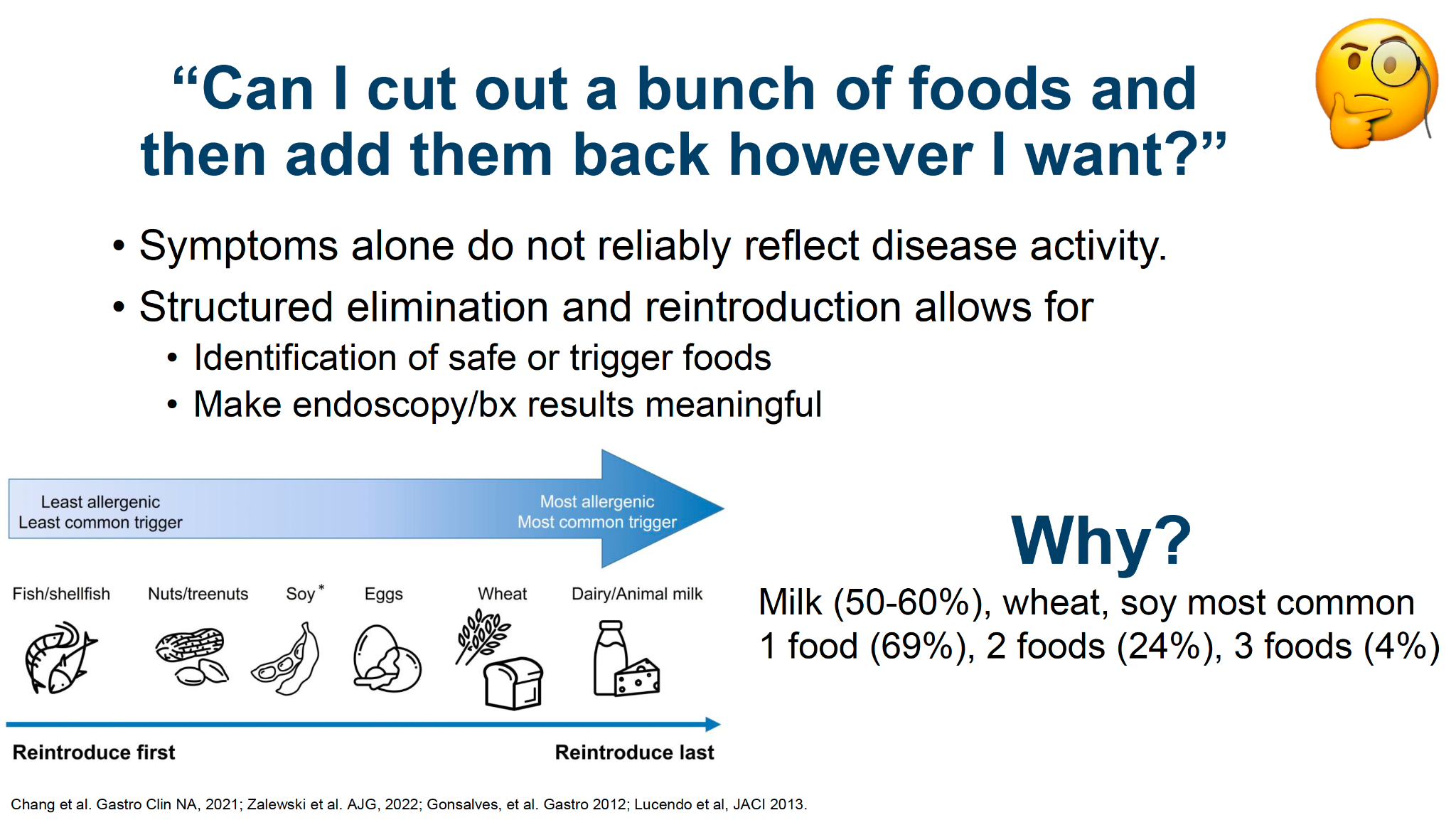
Stacey Collins, MA, RDN/LD, IBD dietitian at the University of Colorado Crohn’s and Colitis Center, compared the pros and cons of available dietary options in IBD. An only-liquid diet and the Crohn's Disease Exclusion Diet have been extensively researched to induce remission. In contrast, the Mediterranean diet is the best option for maintenance.15 Most popular dietary myths, such as ‘low-fiber, dairy-free, gluten-free for all’, are not supported by evidence and may promote malnutrition. One extended misconception is that a low-fiber diet is always best for IBD. However, Collins acknowledged that ensuring a small particle size (focus on soft textures that are fork-tender to cut) is more important than recommending no/low fiber for all.16
Allen Lee, MD, from the University of Michigan, updated new evidence on the potential benefits of a low-sulfur diet for lowering H2S (a luminally acting, bacterially derived gas derived from protein) in mild-to-moderately active ulcerative colitis17 and for improving persistent abdominal pain and bloating/gas in quiescent Crohn’s disease.18 The nutrition principles applied to reduce excess H2S are based on promoting saccharolytic fermentation (short-chain fatty acids) through increasing fermentable fibers and reducing proteolytic fermentation (H2S and indole) through reducing animal protein and sulfur-containing amino acids and avoiding sulfite/sulfate, nitrite/nitrate, and carrageenan additives.
“Excess of hydrogen sulfide (H2S) from microbial-driven protein fermentation in the colon may aggravate IBD by impairing intestinal barrier function, worsen response to abdominal pain, and alter bowel function”
Allen Lee, MD, University of Michigan
Eosinophilic Esophagitis Nutrition Therapy: From Bedside to Plate
Joy Chang, MD, from the University of Michigan, acknowledged that the latest American College of Gastroenterology guidelines suggest shared decision-making should play a role in determining the first-line treatment (pharmacologic or diet elimination treatment) with consideration of the severity of eosinophilic esophagitis (EoE).19 Dietary therapy can be a first-line treatment for EoE based on the patient’s preferences and values. While initial studies focused mainly on the 6-food elimination diet, recent clinical trials support that less restrictive empiric elimination diets are effective and should be considered first.19 However, no studies to date have compared the efficacy of medications versus diet as maintenance therapy, and the concurrent medications and dietary avoidance may confound whether the treatment works or not.
Amanda Lynett, MS, RDN, from the University of Michigan, shared what every dietitian needs to know to implement nutritional therapy for EoE. The main barriers to following dietary therapy in EoE include dietary restrictions that increase diet-related anxiety and lower quality of life, presence of other coexisting diseases or conditions (e.g., functional dyspepsia, eating disorder, gastroesophageal reflux disease, and/or achalasia), anxiety and stress related to disease, high cost of elimination diets, and absence of family or social network support.20 Personalized dietary support with the involvement of dietitians is key to improving compliance with EoE therapy.21,22
“Dietitians can support patients with EoE and their families on screening for malnutrition and disordered eating patterns, balancing diet that includes allergen-free options, reading food labels, navigating social situations when eating out, and avoiding dietary restrictions in nonresponders”.
Amanda Lynett, MS, RDN, University of Michigan
Navigating Eating Behaviors in Patients with GI Disorders
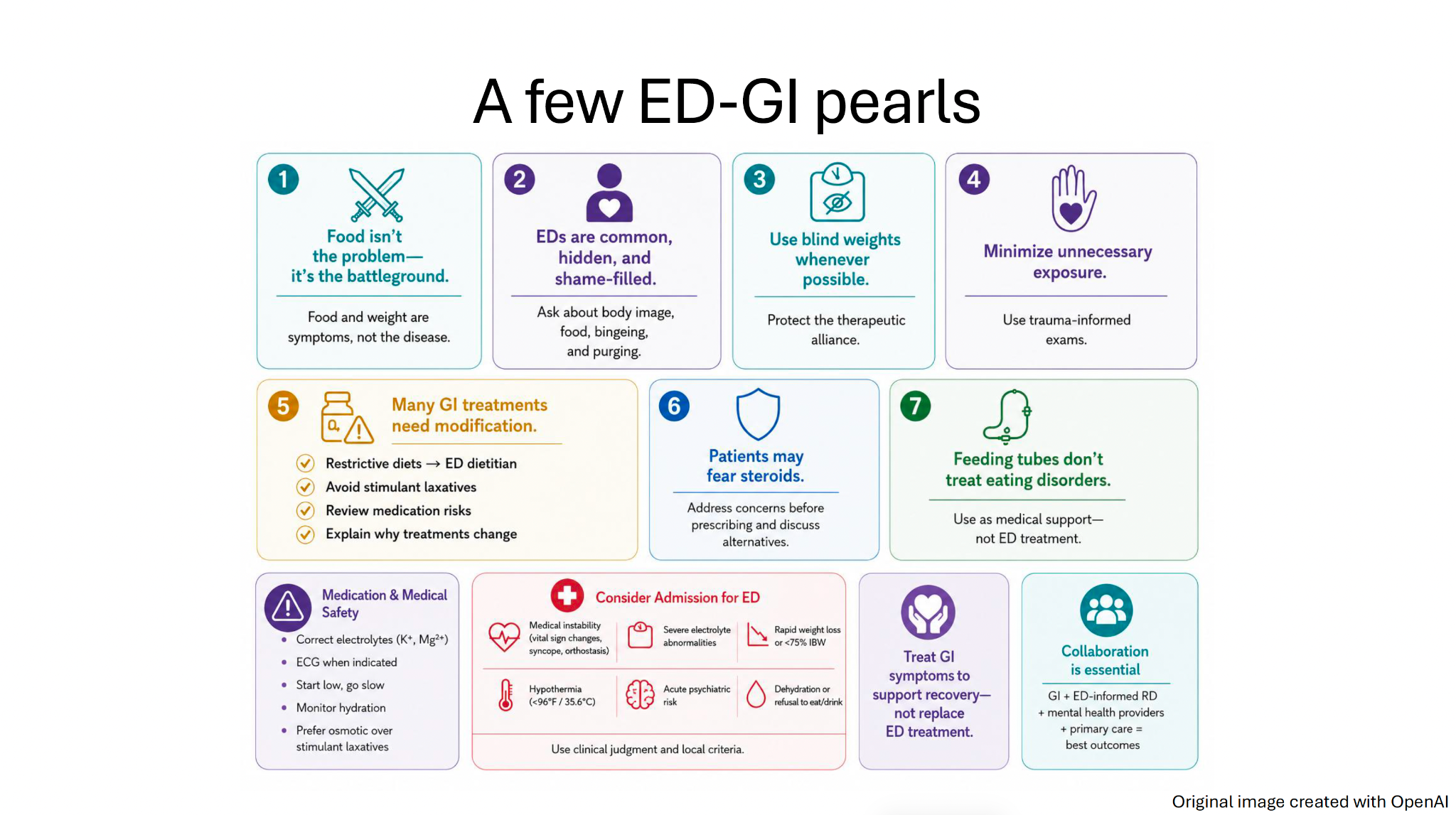
DGBI are commonly seen (39-98%) in patients with eating disorders (EDs) and may perpetuate them.23 EDs exist in a spectrum ranging from “sensible” dieting to rigid and maladaptive eating behaviors characterized by excessive restriction, heightened food-related anxiety, and impaired quality of life.24
Jordan Shapiro, MD, MS, founder of Gentle GI, acknowledged that there is no one face of EDs and the lack of formal training in rare presentations (e.g., most patients appear medically well and have normal/high body mass index) may explain why many GI providers may miss EDs.25 A multidisciplinary care team is needed that treats both EDs and GI symptoms, as both feed each other. While treating the ED may improve many GI symptoms (with exceptions including nausea and dyspepsia in gastroparesis and dyssynergic defecation in constipation), treating GI symptoms supports ED recovery.26
Emily Arkin, MS, RD, LD, CSDH, registered dietitian in private practice, shared recommendations to maintain a flexible nutrition approach across patients with GI disorders to avoid feeding the ED:
- Prioritize adequacy
- Monitor for “restriction creep”
- Avoid putting too much focus on the role of food
- Consider non-dietary therapies where possible (e.g., GI psychology, bowel regimens for constipation, alginate for reflux, etc.)
- Encourage patients to pursue a middle ground instead of black-and-white approaches
- Challenge harmful narratives (e.g., “Food is dangerous” or “My body is unacceptable”) that may reinforce eating disorders without limited benefit
“Eating disorders exist on a spectrum of intensity; being anywhere on that spectrum is risky. Even “disordered eating” that falls short of a clinical diagnosis is concerning”.
Emily Arkin, MS, RD, LD, CSDH
Helen Burton-Murray, PhD, a psychologist at Massachusetts General Hospital (MGH) and an Assistant Professor in Medicine and Psychiatry at Harvard Medical School, acknowledged nuances of symptom presentations; not all patients who have food avoidance and/or restriction have an avoidant/restrictive food intake disorder (ARFID). There is a need for validated ARFID and ED screening tools in the GI patient population. Burton-Murray also presented recent research on behavioral treatments focusing on regularizing eating that can help gain weight and improve ARFID fear and GI-specific anxiety in adults with DGBI and ARFID.27
Further Reading:
What’s new in IBS diagnosis and less restrictive dietary approaches?
- Tack J, Chang L, Geffen D, Drossman DA (eds.). Rome V: Disorders of Gut-Brain Interaction. Gastroenterology. 2026; 170(6):1083-1416. Available: https://www.gastrojournal.org/issue/S0016-5085(25)X0007-X
- Nasser Y, Shin A, Ford AC, et al. Pathophysiology of irritable bowel syndrome. Lancet Gastroenterol Hepatol. 2026. doi: 10.1016/S2468-1253(26)00148-2.
- Halmos EP, Gibson PR. Controversies and reality of the FODMAP diet for patients with irritable bowel syndrome. J Gastroenterol Hepatol. 2019; 34(7):1134-1142. doi: 10.1111/jgh.14650.
- Scarlata K. Gentler solutions: adapting the low FODMAP elimination diet for irritable syndrome for symptom relief. Practical Gastro. 2025; 49(9). Available: https://practicalgastro.com/2025/09/15/gentler-solutions-adapting-the-low-fodmap-elimination-diet-for-irritable-bowel-syndrome-for-symptom-relief/
- Lacy BE, Cangemi D, Vazquez-Roque M. Management of chronic abdominal distension and bloating. Clin Gastroenterol Hepatol. 2021; 19(2):219-231.e1. doi: 10.1016/j.cgh.2020.03.056.
How can I improve gut health via food supplements and non-dietary means?
- Thakur ER, Khasawneh M, Moayyedi P, et al. Efficacy of behavioural therapies for irritable bowel syndrome: a systematic review and network meta-analysis. Lancet Gastroenterol Hepatol. 2025; 0(12):1075-1088. doi: 10.1016/S2468-1253(25)00238-9.
- Ballou S, Keefer L. Psychological interventions for irritable bowel syndrome and inflammatory bowel diseases. Clin Transl Gastroenterol. 2017; 8(1):e214. doi: 10.1038/ctg.2016.69.
- Rehman OA, Sameey Anwar A, Kumari A, et al. Sal670 Prebiotic interventions for irritable bowel syndrome: a systematic review of clinical efficacy and outcomes. Gastroenterology. 2025; 169(1):S-498. doi: 10.1016/S0016-5085(25)02082-7.
- Dehghan M, Malakoutikhah A, Ghaedi Heidari F, et al. The effect of abdominal massage on gastrointestinal functions: a systematic review. Complement Ther Med. 2020; 54:102553. doi: 10.1016/j.ctim.2020.102553.
- Mohseni S, Tavakoli A, Ghazipoor H, et al. Curcumin for the clinical treatment of inflammatory bowel diseases: a systematic review and meta-analysis of placebo-controlled randomized clinical trials. Front Nutr. 2025; 12:1494351. doi: 10.3389/fnut.2025.1494351.
- Zeraattalab-Motlagh S, Ranjbar M, Mohammadi H, et al. Nutritional interventions in adult patients with irritable bowel syndrome: an umbrella review of systematic reviews and meta-analyses of randomized clinical trials. Nutr Rev. 2025; 83(3):e1343-e1354. doi: 10.1093/nutrit/nuae107.
- Dimidi E, van der Schott A, Barrett K, et al. British Dietetic Association guidelines for the management of chronic constipation in adults. J Hum Nutr Diet. 2025; 38(5):e70133. doi: 10.1111/jhn.70133.
Success in IBD management goes beyond calming down the immune system
- Turner D, Ricciuto A, Lewis A, et al. STRIDE-II: An update on the Selecting Therapeutic Targets in Inflammatory Bowel Disease (STRIDE) initiative of the International Organization for the Study of IBD (IOIBD): Determining therapeutic goals for treat-to-target strategies in IBD. Gastroenterology. 2021; 160(5):1570-1583. doi: 10.1053/j.gastro.2020.12.031.
- Braun T, Levhar N, Efroni G, et al. Perturbations of diet and gut signatures persist during remission in Crohn’s disease despite effective immune suppression. Gastroenterology. 2026; 170(5):971-984. doi: 10.1053/j.gastro.2025.12.007.
- Svolos V, Gordon H, Lomer MCE, et al. European Crohn’s and Colitis Organisation consensus on dietary management of inflammatory bowel disease. J Crohns Colitis. 2025; 19(9):jjaf122. doi: 10.1093/ecco-jcc/jjaf122.
- Gold S, Park S, Katz J, et al. The evolving guidelines on fiber intake for patients with inflammatory bowel disease; from exclusion to texture modification. Curr Gastroenterol Rep. 2025; 27(1):23. doi: 10.1007/s11894-025-00975-7.
- Day A, Portmann L, Goodsall T, et al. A randomised placebo-controlled dietary advice trial of the Four Strategies to SUlphide Reduction (4-SURE) diet in adults with mild-moderately active ulcerative colitis. J Crohns Colitis. 2026; 20(Suppl. 1):jjaf231.1312. doi: 10.1093/ecco-jcc/jjaf231.1312.
- Hill J, Ball S, Gjoka I, et al. Mo1607 Feasibility and effectiveness of a low-sulfur diet for the management of quiescent Crohn’s disease with persistent gastrointestinal symptoms: results from a pilot, controlled, study. Gastrointest Endosc. 2026; 103(5 Supplement): S1209-S1210. doi: 10.1016/S0016-5107(26)02977-9.
Eosinophilic esophagitis nutrition therapy: from bedside to plate
- Dellon ES. Guidelines in practice: diagnosis and management of eosinophilic esophagitis. Am J Gastroenterol. 2025; 120(10):2223-2225. doi: 10.14309/ajg.0000000000003386.
- Chang JW, Rubenstein JH, Mellinger JL, et al. Motivations, barriers, and outcomes of patient-reported shared decision making in eosinophilic esophagitis. Dig Dis Sci. 2021; 66(6):1808-1817. doi: 10.1007/s10620-020-06438-5.
- Ottoni M, Nicoletta F, Pederzani A, et al. Personalization of therapy for patients with eosinophilic esophagitis. Expert Rev Clin Immunol. 2025 Oct;21(10):1373-1382. doi: 10.1080/1744666X.2025.2565663.
- Chang JW, Kliewer K, Haller E, et al. Development of a practical guide to implement and monitor diet therapy for eosinophilic esophagitis. Clin Gastroenterol Hepatol. 2023; 21(7):690-1698. doi: 10.1016/j.cgh.2023.03.006.
Navigating eating behaviors in patients with GI disorders
- Staller K, Abber SR, Murray HB. The intersection between eating disorders and gastrointestinal disorders: a narrative review and practical guide. Lancet Gastroenterol Hepatol. 2023; 8(6):565-578. doi: 10.1016/S2468-1253(22)00351-X.
- Routhiaux K, Mikhael-Moussa H, Burton-Murray H, et al. From adaptive to maladaptive eating behavior in disorders of gut-brain interaction. Neurogastroenterol Motil. 2026; 38(6):e70379. doi: 10.1111/nmo.70379.
- Hay P. Current approach to eating disorders: a clinical update. Intern Med J. 2020; 50(1):24-29. doi: 10.1111/imj.14691.
- Atkins M, Burton Murray H, Staller K. Assessment and management of disorders of gut-brain interaction in patients with eating disorders. J Eat
- Disord. 2023; 11:20. doi: 10.1186/s40337-022-00731-6.
- Burton Murray H, Weeks I, Becker KR, et al. Development of a brief cognitive-behavioral treatment for avoidant/restrictive food intake disorder in the context of disorders of gut-brain interaction: Initial feasibility, acceptability, and clinical outcomes. Int J Eat Disord. 2023; 56(3):616-627. doi: 10.1002/eat.23874.


Support our Mission
Your donation will help us to enhance the well-being and health outcomes of patients with GI conditions.
Donate